Knee Pain While Walking or Climbing Stairs: Causes, Treatment Options and When to See a Doctor
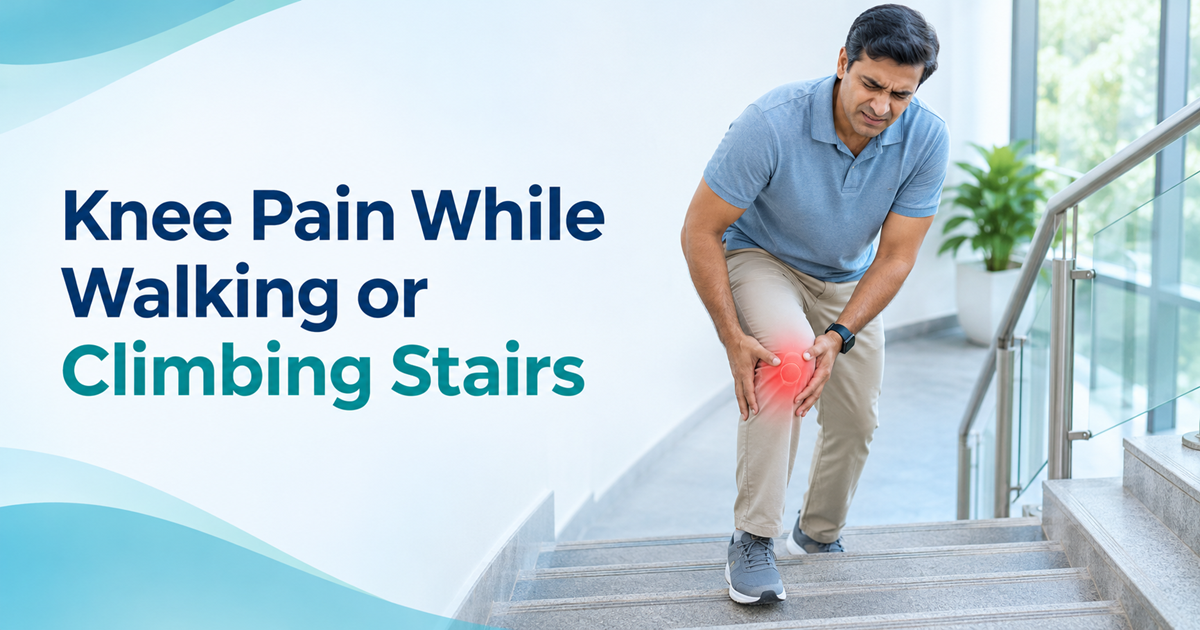
Knee pain can turn everyday activities into uncomfortable tasks. Walking to the market, climbing stairs at home, getting up from a chair or standing for long periods may become difficult when your knee is painful or stiff.
Sometimes, the discomfort follows an injury or unusual physical activity. In other cases, knee pain develops gradually, with no obvious reason.
Knee pain while walking or climbing stairs can be caused by arthritis, inflammation, muscle weakness, injuries or problems involving the kneecap. The right treatment depends on identifying what is causing the pain.
If your symptoms are affecting your daily routine, understanding the possible causes is a useful first step.
Why Does Your Knee Hurt When Walking or Climbing Stairs?
The knee is a complex joint made up of bones, cartilage, ligaments, tendons and muscles. These structures work together to support your body weight and allow movement.
Walking and climbing stairs place different demands on the knee. When you climb stairs, your thigh muscles and kneecap work together to lift and control your body weight.
If the joint is inflamed, injured or not moving properly, these movements may cause discomfort.
Pain can occur at the front, back or sides of the knee. Its location, severity and associated symptoms can help your doctor understand the possible cause.
5 Common Causes of Knee Pain
1. Knee Osteoarthritis
Osteoarthritis is a common cause of persistent knee pain, particularly in middle-aged and older adults.
It develops when the cartilage that helps cushion the joint gradually deteriorates and other changes occur within the knee.
Common symptoms include:
- Pain while walking or climbing stairs
- Stiffness after sitting or resting
- Swelling around the knee
- Reduced flexibility
- Difficulty bending or straightening the leg
Some people also notice grinding or clicking sensations.
Osteoarthritis usually develops over time. Although there is no cure, appropriate treatment can help manage symptoms and improve everyday movement.
2. Patellofemoral Pain
Patellofemoral pain is discomfort felt around or behind the kneecap.
It can become noticeable during activities that involve repeated knee bending, including:
- Climbing or descending stairs
- Squatting
- Running
- Getting up from a chair
- Sitting with bent knees for extended periods
It may be associated with changes in activity levels, muscle strength or the way the kneecap is loaded during movement.
A physical assessment can help distinguish patellofemoral pain from other knee conditions.
3. Meniscus Injuries
The menisci are two pieces of cartilage inside the knee that help distribute weight and absorb shock.
A meniscus can be injured during a twisting movement, sports activity or, in some people, through age-related changes.
Symptoms may include:
- Pain along the inner or outer side of the knee
- Swelling
- Difficulty bending the knee
- Catching or locking sensations
- Discomfort during twisting movements
Not every meniscus injury requires surgery. Treatment depends on the type of tear, symptoms and overall knee function.
4. Tendon Irritation or Overuse
Tendons connect muscles to bones. Repetitive physical activity or a sudden increase in exercise can irritate tendons around the knee.
For example, patellar tendinopathy can cause pain at the front of the knee, particularly during jumping, running or stair climbing.
Symptoms may initially appear only during activity but can become more persistent if the problem continues.
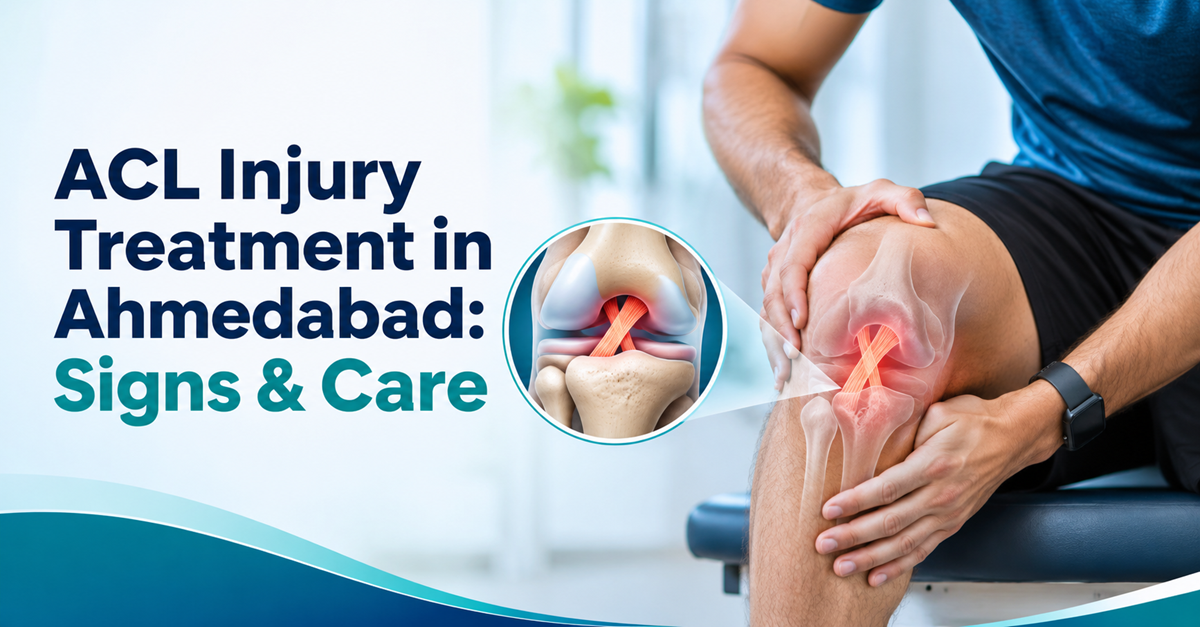
5. Ligament Injuries
Knee ligaments help maintain joint stability.
A sudden twist, fall or sports injury can stretch or tear a ligament, sometimes causing:
- Immediate pain
- Swelling
- Difficulty walking
- A feeling that the knee may give way
- Reduced movement
Significant swelling, instability or difficulty bearing weight after an injury should be assessed promptly.
Why Does Knee Pain Get Worse When Climbing Stairs?
Climbing stairs requires the knee to bend while the muscles around it support and move your body weight.
This increases the demands on the joint compared with some everyday movements.
Pain during stair climbing may be related to kneecap problems, arthritis, muscle weakness or an injury.
The pattern of pain can provide useful clues. For example, discomfort at the front of the knee may suggest a problem involving the kneecap, while pain along the joint line can have other causes.
However, the location of pain alone is not enough to make a diagnosis.
If you regularly avoid stairs because of knee discomfort, it is worth discussing your symptoms with an orthopaedic doctor.
When Should You See an Orthopaedic Doctor for Knee Pain?
Occasional mild discomfort after unusual activity may improve with rest and appropriate self-care.
However, you should arrange a medical assessment if:
- Knee pain continues or keeps returning
- Walking or climbing stairs becomes difficult
- Your knee repeatedly feels unstable
- Swelling or stiffness affects movement
- You cannot comfortably perform normal activities
- Your symptoms do not improve with initial care
Seek urgent medical attention if you cannot bear weight, your knee appears deformed, you have severe pain following an injury, or the joint becomes hot and swollen with fever. These symptoms may indicate a more serious condition.
An early assessment can help identify whether your symptoms need rehabilitation, further investigation or specialist treatment.
How Is Knee Pain Diagnosed?
Your doctor will usually begin by discussing your symptoms and medical history.
They may ask:
- When did the pain begin?
- Is it worse while walking, climbing stairs or resting?
- Have you experienced a previous knee injury?
- Does the knee swell, lock or give way?
- Which activities have become difficult?
A physical examination may assess knee movement, tenderness, stability and muscle function.
Depending on the findings, your doctor may recommend:
X-rays: These can help identify bone changes, alignment problems or signs of arthritis.
MRI scans: These may be useful when a ligament, meniscus, cartilage or another soft-tissue injury is suspected.
Blood tests or other investigations: These may be considered when an inflammatory condition or infection is suspected.
Not everyone with knee pain needs an MRI. The appropriate tests depend on the clinical examination and suspected cause.
Knee Pain Treatment Options in Ahmedabad
If you are searching for knee pain treatment in Ahmedabad, it is important to understand that treatment should be based on the underlying condition.
Physiotherapy and Strengthening Exercises
Physiotherapy can help improve muscle strength, flexibility, balance and knee movement.
A physiotherapist may recommend exercises that strengthen the quadriceps, hips and other muscles supporting the knee.
The programme should be adjusted to your diagnosis, symptoms and activity level.
Activity Modification
Temporarily reducing activities that aggravate symptoms may allow an irritated knee to settle.
Your clinician may suggest replacing high-impact activity with suitable lower-impact exercise while symptoms improve.
Complete inactivity is not usually the best long-term approach for common conditions such as osteoarthritis, unless a specific injury requires protection.
Medication and Pain Management
Certain medications can help manage knee pain and inflammation.
Your doctor may recommend appropriate pain relief based on your symptoms, medical history and any other medicines you take.
Avoid taking anti-inflammatory medicines regularly without medical advice, particularly if you have kidney, stomach or cardiovascular conditions.
Weight Management
For people who are overweight and have knee osteoarthritis, gradual weight reduction can help reduce the load on the knees.
A doctor or qualified healthcare professional can recommend an appropriate approach based on your overall health.
Injections or Other Procedures
In selected cases, a doctor may discuss joint injections or other interventions.
Their usefulness depends on the diagnosis, current evidence, potential risks and your individual circumstances.
Surgery
Surgery may be considered for certain injuries or advanced joint conditions when appropriate non-surgical treatments have not provided sufficient improvement.
The need for surgery should always follow an individual assessment rather than being based on pain severity alone.
Can Knee Pain Improve Without Surgery?
Yes. Many knee conditions can be managed without surgery.
Depending on the cause, treatment may include physiotherapy, exercise modification, medication, weight management and rehabilitation.
However, some injuries and advanced joint conditions may require surgical assessment.
The most useful approach is to understand the diagnosis before deciding on treatment.
How Can You Look After Your Knees?
A few everyday habits can support knee health:
- Stay physically active within your comfort and medical limits.
- Build strength in the muscles around your knees and hips.
- Increase exercise intensity gradually.
- Wear appropriate footwear for your activities.
- Avoid repeatedly pushing through significant pain.
- Seek medical advice for persistent swelling or instability.
These habits can support joint health, although they cannot prevent every knee condition.
Get Your Knee Pain Assessed at Amul Hospital, Ahmedabad
If knee pain is making walking, climbing stairs or everyday activities difficult, a professional assessment can help you understand the possible causes and available treatment options.
Contact Amul Orthopaedic & Multispeciality Hospital in Ahmedabad to enquire about an orthopaedic consultation.
Medical disclaimer: This article is for general educational purposes and does not replace professional medical advice, diagnosis or treatment. Seek medical attention for persistent or concerning symptoms.
Frequently Asked Questions
Is knee pain while climbing stairs a sign of arthritis?
It can be. However, kneecap-related pain, tendon problems and injuries can also cause discomfort on stairs. A medical assessment can help identify the cause.
What is the best treatment for knee pain while walking?
There is no single treatment for every patient. Physiotherapy, activity changes, medication or other treatments may be appropriate depending on the diagnosis.
Should I continue walking if my knees hurt?
Gentle activity may be appropriate for some conditions, but you should reduce or stop an activity if it causes significant pain, swelling or instability. Ask a healthcare professional for personalized advice.