- Emergency & trauma care, 24/7: +91 98241 31122
- 2nd Floor, The Green Parmeshwar, Jagatpur - Tragad Road, Ahmedabad - 382470

NEURO-SURGERY
At Amul Orthopaedic & Multispeciality Hospital, our Department of Neuro-surgery provides specialist surgical evaluation and treatment for conditions affecting the brain, spine, spinal cord and nerves. We care for brain tumours, head injuries, spinal disc disease, nerve compression and other conditions requiring precision surgical planning.
Every case is reviewed carefully with imaging, clinical assessment and multidisciplinary support so patients and families understand the safest available treatment and recovery pathway.
CONDITIONS WE TREAT
Ischemic stroke, brain hemorrhage, sudden facial drooping and limb weakness.
Uncontrolled convulsions, blackout spells, childhood seizures and involuntary jerking.
Severe throbbing headaches, cluster headaches, tension headaches and visual aura.
Slipped disc, shooting leg pain, numbness and lumbar/cervical nerve compression.
Shaking hands, stiffness, slowed movements, balance issues and gait instability.
Meningiomas, gliomas, pituitary tumours and metastatic brain lesions.
Burning feet, tingling and numbness caused by diabetic peripheral neuropathy.
Concussions, skull fractures, epidural hematomas and traumatic spine injuries.
Neck stiffness, radiating arm pain, spinal stenosis and degenerative spine disease.
Alzheimer's disease, vascular dementia and cognitive decline evaluation.
Severe brain infections, stiff neck, altered sensorium and acute fever.
Ataxia, frequent falls, dizziness and motor coordination impairments.
QUICK INQUIRY
Time is brain. Whether you need an expert opinion for headaches, spine pain, seizures or stroke, contact us today.
Share your details and our team will call you shortly.
TREATMENTS & PROCEDURES
Rapid IV clot-busting therapy administered within the golden window to reverse paralysis.
Keyhole microdiscectomy and spinal decompression relieving compressed nerves.
High-precision removal of tumours using operating microscopes preserving brain tissue.
EEG correlation, anti-epileptic drug optimization and refractory seizure management.
Advanced preventive protocols, nerve blocks and botox therapy for chronic migraines.
Specialized physical therapy restoring mobility, speech and daily independence after stroke.
Stabilization of unstable spine vertebrae using titanium pedicle screws and rods.
Intracranial pressure monitoring, mechanical ventilation and vital organ support.
YOUR TREATMENT JOURNEY
Detailed cognitive, cranial nerve, motor strength, reflex and sensory assessment.
Coordinated CT/MRI scans and electroencephalography to pinpoint brain and nerve pathology.
Collaboration between neuro-surgeons, spine surgeons and ICU intensivists.
Timely administration of neuro-medications or micro-surgical surgical correction.
Continuous physical, occupational and speech therapy for maximum functional recovery.
WHY CHOOSE US
Decades of combined clinical mastery handling delicate brain and spine cases.
Trained emergency team ready 24/7 for immediate stroke assessment and IV tPA.
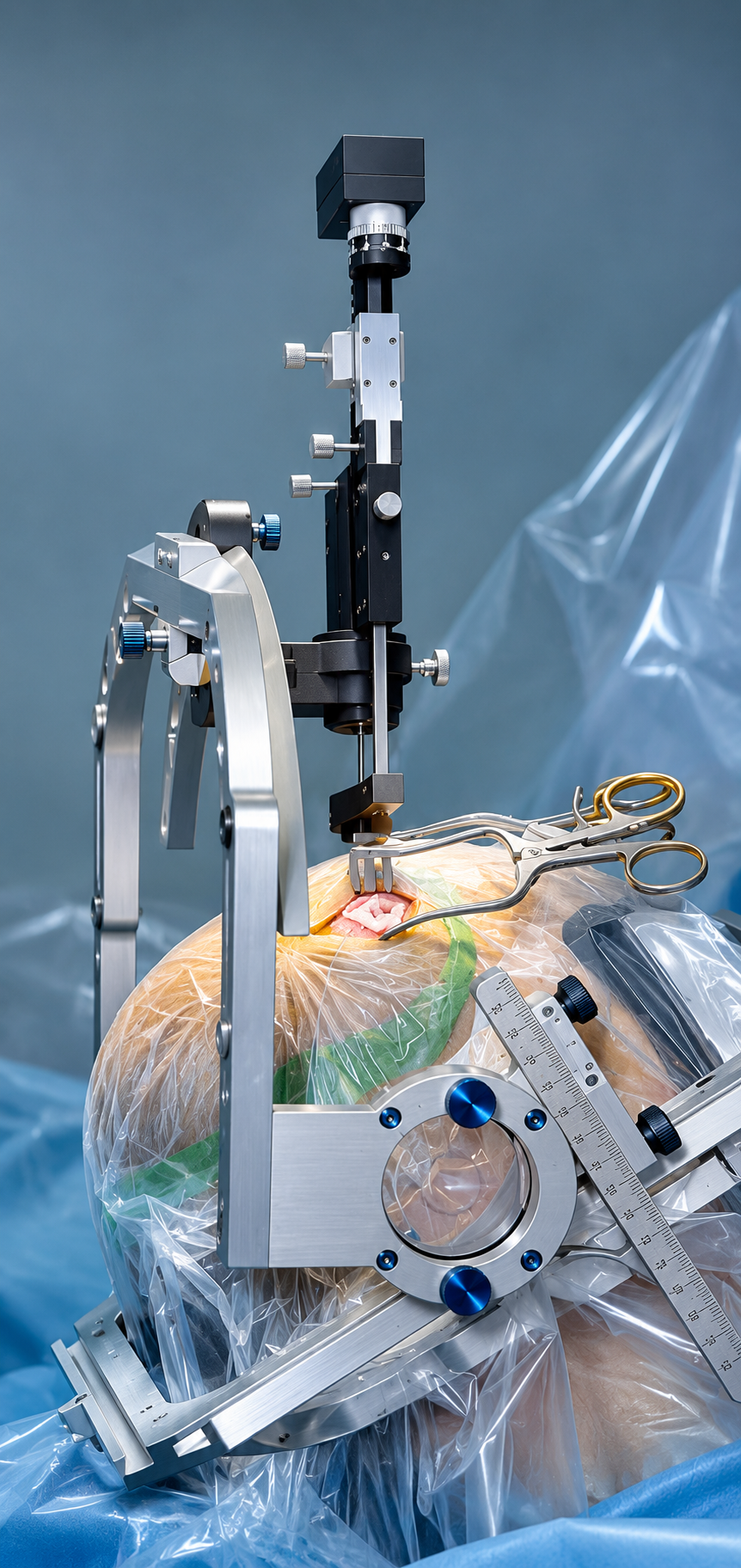
Equipped with operating microscopes, C-arm fluoroscopy and precision instruments.
Intensivists monitoring post-operative neuro patients 24 hours a day.
Early bedside rehabilitation starting within 24 hours of clinical stabilization.
Regular detailed counseling explaining prognosis, treatment goals and recovery milestones.
OUR SPECIALISTS
FAQS
Answers about brain tumour surgery, slipped disc procedures, spine surgery and recovery after neuro-surgery.
More AnswersRemember the acronym B.E. F.A.S.T.: Balance loss, Eyesight changes, Face drooping, Arm weakness, Speech difficulty, and Time to call emergency. If any of these appear, reach our hospital emergency immediately.
The golden window is within 4.5 hours from the first onset of stroke symptoms. Clot-dissolving medications (thrombolysis) given during this time can dissolve the blood clot and reverse neurological paralysis.
Yes, over 85–90% of slipped disc patients recover with conservative treatment: medications, physical therapy, core strengthening, and epidural injections. Surgery is only needed if there is persistent nerve weakness or bowel/bladder issues.
Migraines are typically pulsating, one-sided, moderate-to-severe headaches lasting hours to days, often accompanied by nausea, vomiting, and extreme sensitivity to light and sound.
Turn the person gently onto their side to keep the airway clear, place something soft under their head, loosen tight clothing, and time the seizure. DO NOT put anything into their mouth or restrain them.
Modern neurosurgery uses operating microscopes, micro-instruments, and intraoperative monitoring. These advancements make tumour removal significantly safer and protect critical brain functions like speech and movement.
OTHER SPECIALITIES